
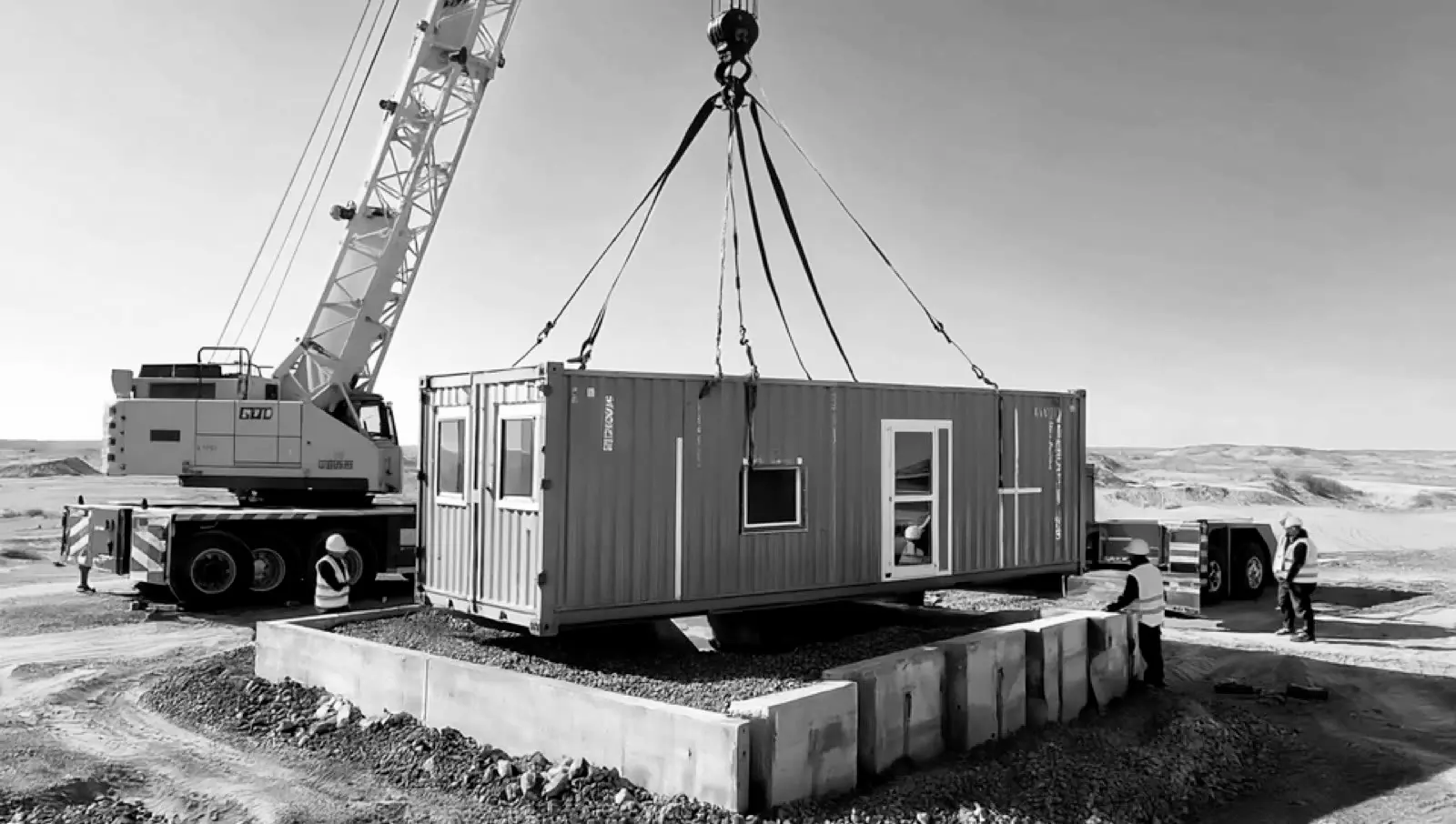
New, used and refurbished are different offers
A new unit can be built around the agreed layout and specification. A used unit already has a history, and its condition needs to be inspected. Refurbished should describe an actual scope of completed work, not simply a fresh coat of paint.
Ask what was repaired or replaced, what was tested and which documents are available. Compare the same installed scope, including any work needed before the cabin is ready for your intended use.
Inspection points before committing
- Frame and chassis: corrosion, distortion, damage around lifting points and signs of undocumented alteration.
- Roof and envelope: leaks, damaged joints, failed sealants, soft wall areas and water staining.
- Floor: unevenness, soft spots, damage near wet areas and the condition beneath finishes where inspection is possible.
- Doors and windows: closing, seals, locks, glazing and any required rated-door documentation.
- Electrical and plumbing: have competent people inspect and test the installations, not just switch the lights on.
- AC and ventilation: verify what is included, its condition and suitability for the planned use.
Add the costs after the purchase price
Include repairs, cleaning, replacement fittings, new partitions, transport, lifting, supports, connections and testing. A unit far from the destination or difficult to lift can cost more to place than expected.
If the existing layout does not fit, price the alterations before deciding. A saving on the shell can disappear when bathrooms, openings, electrical circuits or the insulation need substantial work.
How long does a portacabin last?
There is no reliable lifespan figure that applies to every cabin. Materials, corrosion protection, exposure, previous moves, maintenance and the condition of the roof and wet areas all affect service life.
Ask for maintenance guidance and keep inspection and repair records. Repeated relocation needs an appropriate lifting method and a condition check, not an assumption that an older unit can always be moved again safely.
When to choose which
Consider a used or refurbished unit when its inspected condition, layout and documents fit the job and the full placed cost makes sense. Check the actual listing and availability rather than assuming every photograph represents stock ready for delivery.
Consider new fabrication when the project needs a specific layout, performance specification or coordinated set of units. Agree the drawings, delivery programme, warranty terms and handover scope in either case.